
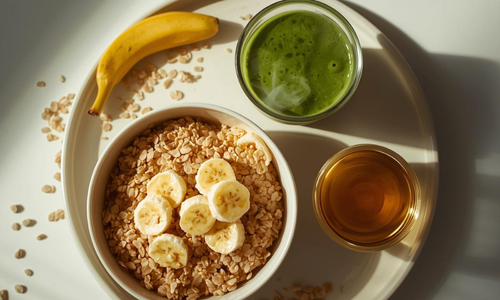
If you’ve ever gone to bed afraid of what dinner might do to you later, you’re not alone. GERD — short for gastroesophageal reflux disease — turns simple meals into unpredictable battles. That familiar burn creeping up your chest, the coughing at midnight, the endless search for what you can safely eat… it all adds up. But there’s real relief hiding in plain sight — through low acid foods that help your body heal instead of fight itself.
Understanding GERD and the Role of Acidic Foods
What Happens When Stomach Acid Backs Up
Inside your body is a small but mighty valve called the lower esophageal sphincter (LES). When it’s working properly, it seals the line between your stomach and throat. But when it weakens — from stress, heavy meals, or constant acidity — stomach contents sneak upward. That’s reflux.
The acid burns, the throat tightens, and the discomfort can last for hours. Over time, even a small trigger can send your system into overdrive. It’s not about too much acid in general — it’s about acid in the wrong place.
Why Traditional Diets Often Make GERD Worse
Many “healthy” foods actually stir up reflux. Citrus fruits, tomato sauces, coffee, and spicy meals all ramp up acid activity. Even innocent-looking smoothies or “clean” salads can backfire if they’re too acidic.
The fix isn’t cutting everything out — it’s learning to work with your body’s chemistry. By swapping acidic triggers for low acid foods, you create a calmer, less reactive environment where digestion happens quietly and comfortably.
The Science Behind Low Acid Foods
How pH Levels Impact Your Esophagus
Every food you eat carries a pH value. A lower number means higher acidity. Most reflux-friendly foods sit above pH 5.5, creating a soothing buffer that keeps the esophagus safe.
Instead of fighting your stomach acid with medication alone, you can retrain your gut through what you eat. Low acid foods slow down irritation, reduce inflammation, and help your LES recover its strength.
Balancing Acidity and Alkalinity for Relief
Think of your stomach as an ecosystem. When you feed it too much acid, you disrupt the entire balance. But when you mix mildly alkaline foods like spinach, oatmeal, and bananas with lean proteins, you create equilibrium.
Over time, this balance restores your natural rhythm — no more racing heart after meals, no more late-night pain. Just quiet digestion doing its job.
The Ultimate Low Acid Foods List
Fruits That Won’t Trigger Reflux
-
Bananas – Naturally coating, they calm acid on contact.
-
Melons – Cantaloupe and honeydew are hydrating heroes.
-
Apples (sweet types) – Fuji and Gala bring fiber without the burn.
-
Pears – Gentle on digestion and perfect for mid-morning hunger.
-
Coconut – Coconut water restores hydration while balancing acid levels.
Vegetables That Calm Stomach Acid
-
Leafy greens like spinach and kale are both healing and alkaline.
-
Broccoli and green beans provide fiber without flare-ups.
-
Sweet potatoes coat the stomach while delivering slow-release energy.
-
Cucumbers and zucchini act like cooling therapy from the inside out.
Grains, Proteins, and Snacks That Heal Instead of Harm
-
Oatmeal and quinoa absorb acid and keep you full longer.
-
Chicken, turkey, or baked fish digest cleanly without excess acid.
-
Almonds bring alkaline balance in small handfuls.
-
Brown rice and lentils support gut healing and steady blood sugar.
-
Plain yogurt (nonfat) helps rebuild healthy gut bacteria that control reflux naturally.
Sample GERD-Friendly Meal Plan
Breakfasts to Start Your Day Smoothly
-
Creamy oatmeal topped with banana and almond butter.
-
A green smoothie made with pear, spinach, and coconut water.
-
Light scrambled egg whites with mashed sweet potato on the side.
Lunches That Soothe, Not Burn
-
Quinoa bowl with cucumbers, grilled chicken, and olive oil drizzle.
-
Brown rice with steamed veggies and lemon-free baked salmon.
-
Lentil soup with whole-grain toast and a spoon of nonfat yogurt.
Dinners That Promote Healing Overnight
-
Turkey burger with sautéed spinach and roasted sweet potato.
-
Baked cod paired with a small serving of brown rice and steamed broccoli.
-
Tofu stir-fry with green beans, zucchini, and ginger-infused sauce.
Each meal is balanced in pH and fiber, designed to soothe rather than shock your digestive system.
Lifestyle Pairings for Maximum Relief
Timing Your Meals for Optimal Digestion
Late-night eating is one of reflux’s sneakiest triggers. Aim to finish dinner at least three hours before bedtime. Gravity helps keep acid down, so stay upright after eating — a short walk works wonders.
Hydration Habits That Help Control Acid
Small, steady sips throughout the day maintain digestive flow. Avoid gulping large amounts during meals, which can push acid upward. Herbal teas like chamomile, ginger, or licorice root reduce inflammation and calm the stomach lining. Skip carbonated drinks — those bubbles can spell trouble.
FAQs – Real Answers for Everyday GERD Challenges
Q: Are all dairy products bad for reflux?
A: Not at all. Low-fat yogurt and milk alternatives like almond or oat milk can be soothing. Full-fat dairy, however, tends to linger and trigger reflux episodes.
Q: Can I drink coffee on a low acid diet?
A: Try a low-acid coffee brand or cold brew. The lower temperature and brewing process make it gentler on your stomach.
Q: How long before I feel better?
A: Many people feel lighter and less inflamed within a week. But consistent eating patterns — especially avoiding acidic spikes — create the real, lasting change.
Products / Tools / Resources
-
pH Food Chart – Keep a quick guide on your fridge to track acidic vs. alkaline foods.
-
GERD-Friendly Meal Planner – Plan and rotate gentle meals to avoid trigger fatigue.
-
Low-Acid Coffee Brands – Look for blends labeled “smooth” or “cold brew certified.”
-
Probiotic Supplements – Help rebuild gut balance over time.
-
Adjustable Bed Wedge Pillow – A simple fix to prevent nighttime reflux.
PS: If you want the one solution that actually worked for me without the misery, I wrote up a full review of the Reflux Summit that helped. Read it here. Or don’t.